Why open source for dating websites
My story about 3D chat that I developed for my dating website.
Five years. That's how long it's been since the final death knell. Sometimes I still open the old server logs, just to watch the timeline of the hemorrhage. The exact moment when the traffic flatlined. Not a gradual decline, not a slow fade—just a perfect, vertical drop to zero. Like someone had thrown a master switch on my entire world.
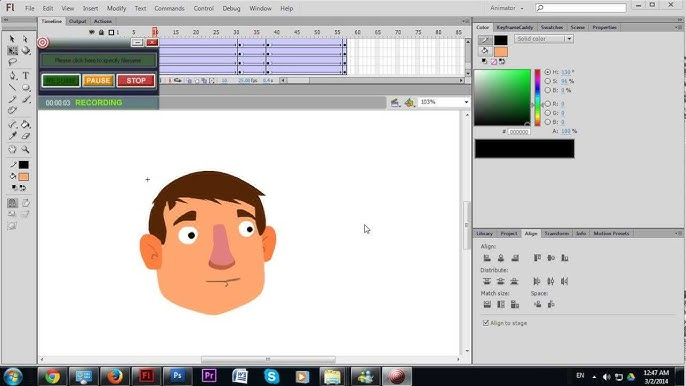
I built "Aethel" in what feels like another geological era. It was 2008. The web was a wilder, more optimistic place. You could still build a kingdom in a corner of the internet, and I was going to build the most beautiful one ever. I wasn't just making another dating site. I was creating digital serendipity, a place for meaningful connection in three dimensions. And my magic wand, my Excalibur, was Macromedia Flash. Later it was Adobe's, but it never truly felt like it belonged to them. It was ours. The magicians.
And God, what magic it was. With ActionScript, I could bend reality. I built a 3D chat environment that felt like a warm, futuristic lounge. Avatars had weight. They glided across sun-drenched atriums with virtual fountains. The light from their screens cast soft, pixelated glows on their custom-designed faces. You could click on a profile and a beautifully rendered panel would animate smoothly from the side, showing their photos, their interests. You could send a "spark"—a little animated ember that would float from your avatar to theirs. It was tactile. It was rich. It felt like the future.
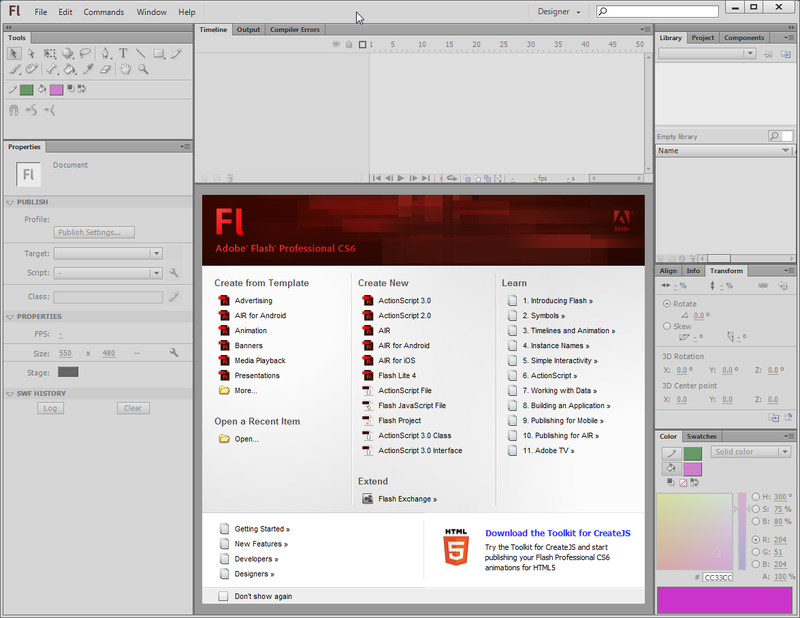
For five years, I lived and breathed that world. I was its architect, its plumber, its god. I knew every line of code, every polygon in the 3D models we’d painstakingly created. We had a community. A real one. People met, fell in love, got married. I have printed-out wedding invitations in a drawer somewhere to prove it. We were small, but we were glorious. We were the antithesis of the endless, soul-crushing swiping that was starting to take over everywhere else. Aethel was a place you went to. An experience.
The whispers started around 2010, of course. "Flash is a battery hog." "It's insecure." "Steve Jobs says it's a relic." I dismissed it as noise. Tech tribalism. They didn't understand. They were building flat, document-based web pages, and I was building a universe. My universe ran on Flash. It was the very foundation, the physics of my world. You don't question physics. You build upon it.
The first real crack was the Chrome update. I remember the day. I was troubleshooting a lighting bug in a new room design when a support ticket came in. "Can't load the lounge." Then another. And another. A cold knot tightened in my stomach. Google had started throttling Flash, making users "click to activate." It was a friction my beautiful, seamless experience was never designed to handle. Our growth stalled. Then Firefox followed. The walls were closing in.
But the true, absolute end came later. December 31, 2020. The final, global, un-plugging. I sat at my desk at midnight, in the dark, and refreshed the Aethel landing page. Instead of the elegant, loading animation, there was just a blank, grey rectangle with a puzzle piece icon. The universal symbol for "something is missing." The symbol for death. My five-year creation was gone. Not broken. Not outdated. Invisible. It was like a museum of fine art where every painting had simultaneously turned into a blank canvas. The art was still there, on the server, in the code, but no one would ever see it again. The silence from the server logs was deafening. It was the silence of a ghost town.
The grief was physical. It felt like a death in the family. For weeks, I was paralyzed by a profound sense of betrayal. How could the entire world just agree to turn off the lights on a whole medium of creation? I was angry at Apple, at Google, at the world for choosing security over beauty, efficiency over experience. But mostly, I was angry at myself. The warnings had been there for years. I had chosen to see them as challenges to be overcome within my Flash fortress, not as writing on the wall. I was a king who believed his castle was made of stone, only to watch it dissolve in the rain because it was actually made of salt.
Bankruptcy was a real specter. I had poured all my savings, all my time, my very identity into Aethel. To start over wasn't just a matter of will; it was a financial question I had no answer to. I took out a second mortgage. I sold things I loved. I became a ghost at freelance developer jobs, writing boring, functional code for corporate websites to fund the dream by day, while at night, I descended into a new kind of hell: the open-source wilderness.
I had to learn a whole new world, and it felt like learning to walk again after a spinal injury. My beautiful, proprietary, all-in-one Flash IDE was gone. Now I was staring into the abyss of a hundred different, fragmented tools. JavaScript. It seemed so… flimsy. A language for making buttons bounce and forms validate. Not for building a universe. And WebGL? It was a brutal, low-level beast. OpenGL for the web, they said. It sounded promising until I opened the documentation. There were no friendly "createSphere()" commands. There were vertex shaders and fragment shaders. Buffers and matrices. I had to tell the GPU how to draw every single triangle, how to calculate every pixel of light and shadow. It was like being asked to build a car by first inventing the wrench.
The first year of the rebuild was pure despair. My "3D chat" was a single, jagged cube, rendered in a sickly green, spinning erratically in a browser window. It was a humiliation. I missed my smooth, elegant Flash curves. I missed my timeline. I was trying to build a cathedral with a stone axe. The sheer weight of it all—the financial pressure, the sheer complexity of the new stack, the loneliness of knowing my community was gone—nearly broke me. There were months where I didn't touch the code. I thought about letting the domain name expire, about accepting that Aethel was a beautiful, five-year artifact of a bygone era.
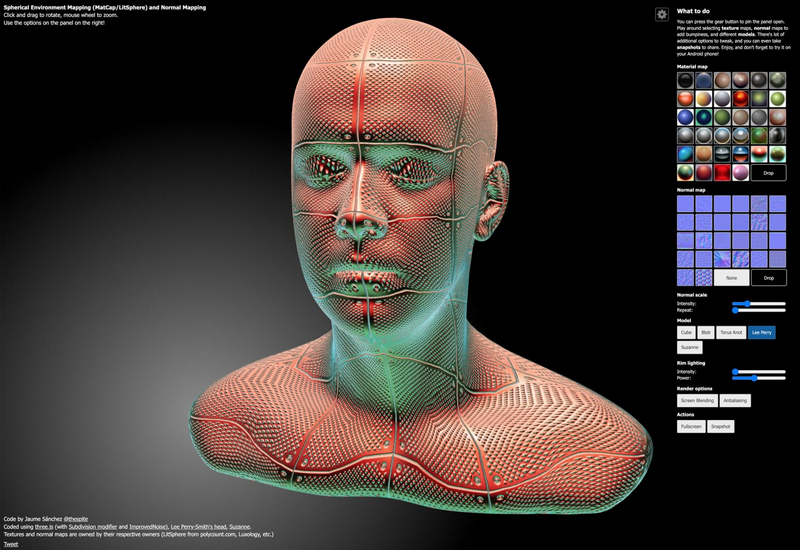
What saved me, ironically, was the very openness I had initially despised. I was forced onto GitHub, into forums, into the sprawling, chaotic, but incredibly vital ecosystem of open source. I found a library called Three.js. It was a life raft. It wasn't Flash, but it was a layer of sanity over the raw insanity of WebGL. It gave me back my "createSphere()". Slowly, painstakingly, the cathedral began to take shape. Brick by brick.
I learned to love the transparency. When something broke, I could dig down, all the way down to the metal if I had to. There was no black box, no corporate overlord who could decide to unplug it all on a whim. The foundation was the web itself. It was messy, but it was permanent. It was mine in a way Flash never truly was.
It took three more years. Three years of learning, of failing, of rewriting entire subsystems. The new Aethel is different. It's leaner, sharper. The lighting is more realistic, but it lacks that soft, dreamlike quality of the Flash version. The avatars move with a different kind of physics. But it works. It runs in a browser, natively. No plugins. No asking for permission. It just is.
I launched the beta last week. The traffic graph is a slow, cautious crawl upwards. It’s not a vertical line; it’s a gentle slope. It’s the graph of something being built to last.
I look at the old server logs sometimes, not with pain anymore, but with a strange reverence. That was my first love. Beautiful, brilliant, and tragically doomed. It taught me that technology is not just about building things; it's about building things on foundations that will endure. My new creation is built on the bedrock of the open web. It won't be unplugged. It can't be. It's made of the web itself. The magic is different now. It's less like a wizard's spell and more like the patient, undeniable force of a river carving a canyon. It's slower. It's harder. But my God, it's solid. And this time, it's forever.